
Plenary Session 1: Pharmacy Preparedness for Disaster -100 Days of Readiness
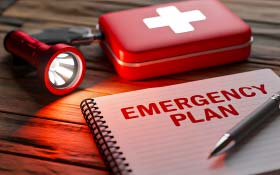
Session Overview
Natural disasters, disease outbreaks, humanitarian emergencies, medicine shortages and climate-related events continue to test the resilience of healthcare systems globally. Across community, hospital, manufacturing, wholesale, regulatory and public-sector practice, pharmacists play a critical role in maintaining access to medicines, safeguarding supply chains and supporting public health responses during emergencies.
This plenary session will explore how the pharmacy profession can strengthen preparedness, responsiveness, and resilience during the first hundred (100) days of a disaster or public health emergency. Drawing on local and global perspectives, the discussion will explore leadership, workforce readiness, regulatory agility, medicine security, supply chain continuity and cross-sector collaboration. Delegates will gain insights into how pharmacists can contribute to health system readiness, emergency response and recovery while ensuring equitable access to essential medicines and healthcare services.
Learning Objectives
By the end of this session, participants will be able to:
- Describe the roles and responsibilities of pharmacists across healthcare sectors in disaster preparedness, emergency response and recovery.
- Identify strategies to strengthen medicine security, workforce readiness and supply-chain resilience during healthcare crises.
- Examine the importance of regulatory agility, collaboration and coordinated decision-making in enabling timely access to medicines and healthcare services.
- Explore practical approaches to enhancing health system preparedness and resilience during the first hundred (100) days of a public health emergency or disaster.
Key Takeaways for Delegates
- Pharmacists across the community, hospital, manufacturing, wholesale and regulatory sectors play a vital role in disaster preparedness and response.
- Effective emergency management depends on resilient medicine supply chains, workforce readiness and coordinated action across the pharmaceutical value chain.
- Regulatory agility and strong partnerships can accelerate access to medicines, vaccines and other critical health technologies in crises.
- Lessons from previous emergencies can strengthen preparedness planning, risk mitigation and operational readiness.
- Pharmacy leadership is critical to ensuring equitable access to medicines and sustaining healthcare services during periods of disruption.
“Preparedness is not built during a crisis; it is built before one occurs. The first hundred (100) days of any disaster can determine how effectively a healthcare system protects its communities. Through leadership, collaboration, and readiness, pharmacists can help ensure that healthcare remains accessible, responsive, and resilient when it is needed most.”